
Hiring tree contractors requires careful consideration because tree work can affect property safety, landscape health, and long-term maintenance costs. Whether the project involves trimming, removal, storm cleanup, or a tree health evaluation, asking the right questions helps identify qualified professionals and avoid unnecessary risks. Trees are valuable property features, but they can also become dangerous when they are diseased, unstable, poorly maintained, or located too close to structures. Taking time to evaluate a contractor before work begins can help ensure the job is handled safely and correctly.
Are They Licensed and Insured?
Licensing is one of the first details to verify when evaluating tree contractors. A license shows that the contractor has met local requirements and understands accepted practices for safe tree care. Requirements vary by location, but licensing generally indicates accountability and familiarity with rules that apply to pruning, removal, equipment use, and site safety.
Insurance is equally important because tree work is hazardous. Falling limbs, heavy equipment, climbing work, and nearby structures all create potential liability. A qualified contractor should carry general liability insurance and workers’ compensation coverage. General liability helps cover property damage caused during the job, while workers’ compensation protects against liability if a crew member is injured on-site.
Verbal confirmation is not enough. A certificate of insurance should be provided, and coverage dates should be current. Reliable tree contractors should have no issue offering proof of licensing and insurance before work begins. Hesitation, vague answers, or expired documentation may signal unnecessary risk.
What Experience Do They Have With Similar Projects?
Experience matters because tree projects vary widely. Removing a small ornamental tree is very different from handling a large tree near a roof, fence, driveway, or power line. Before hiring, it is important to ask whether the contractor has completed similar jobs and can describe the process clearly.
Strong tree contractors should be able to explain how they assess tree condition, determine risks, and choose the safest approach. For example, a tree that appears healthy may still be dangerous if it has a significant lean. According to Forbes, even trees in good health that are leaning more than 15% off vertical plumb should be removed because they pose a safety concern.
References are also useful. Past customers can provide insight into punctuality, professionalism, cleanup quality, pricing accuracy, and overall workmanship. Certifications, such as those from recognized arboricultural organizations, may also show a commitment to ongoing training and proper techniques. It may also help to ask how long the company has served the local area, since regional experience can matter. Soil conditions, common tree species, storm patterns, pest issues, and municipal requirements can all influence how tree work should be handled.
How Is Safety Handled On-Site?
Safety should be a central part of any tree service discussion. Professionals should have clear procedures for assessing hazards before work begins. This may include inspecting the tree, identifying weak limbs, checking nearby structures, evaluating slope or ground stability, and noting utility lines.
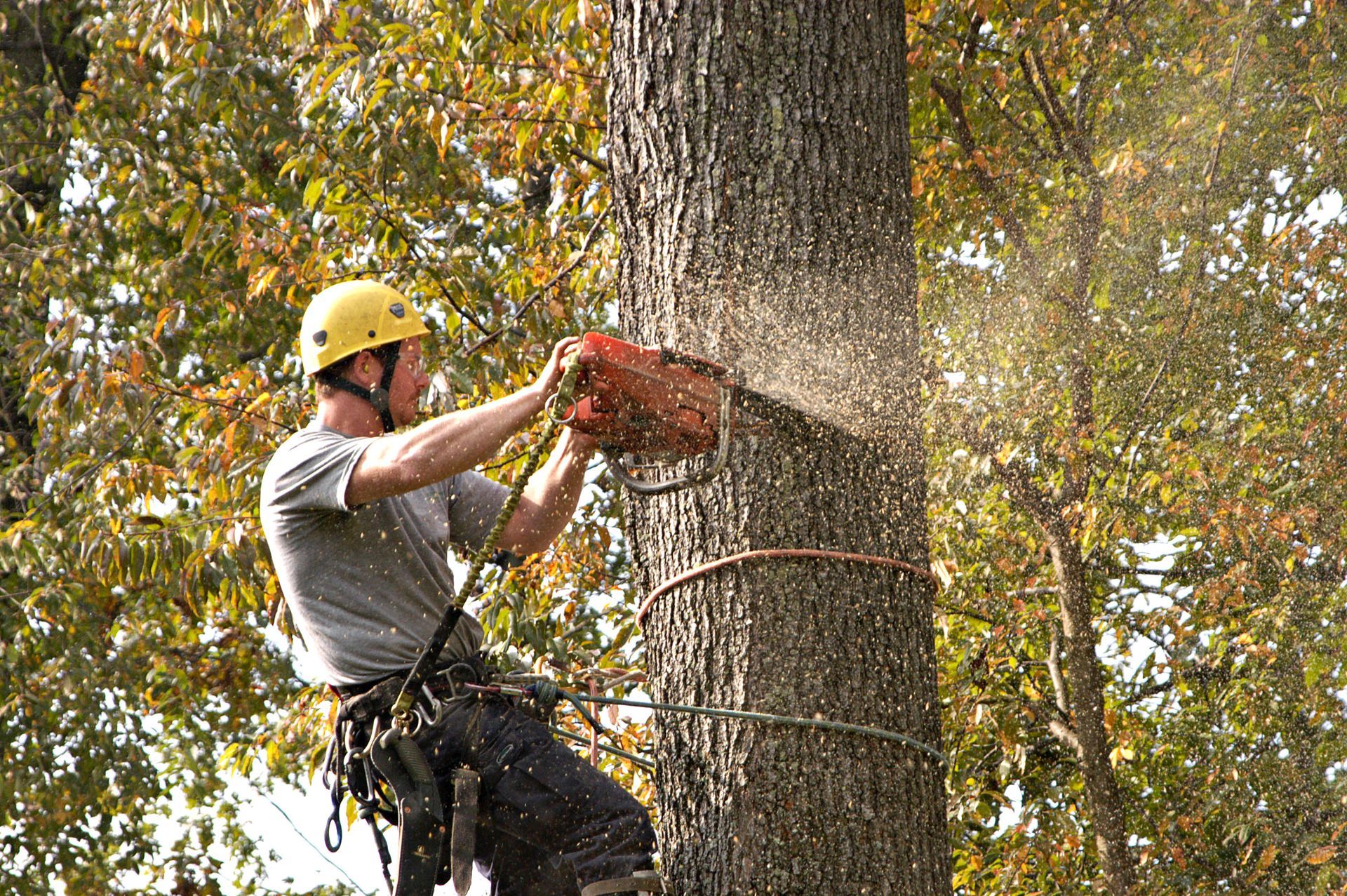
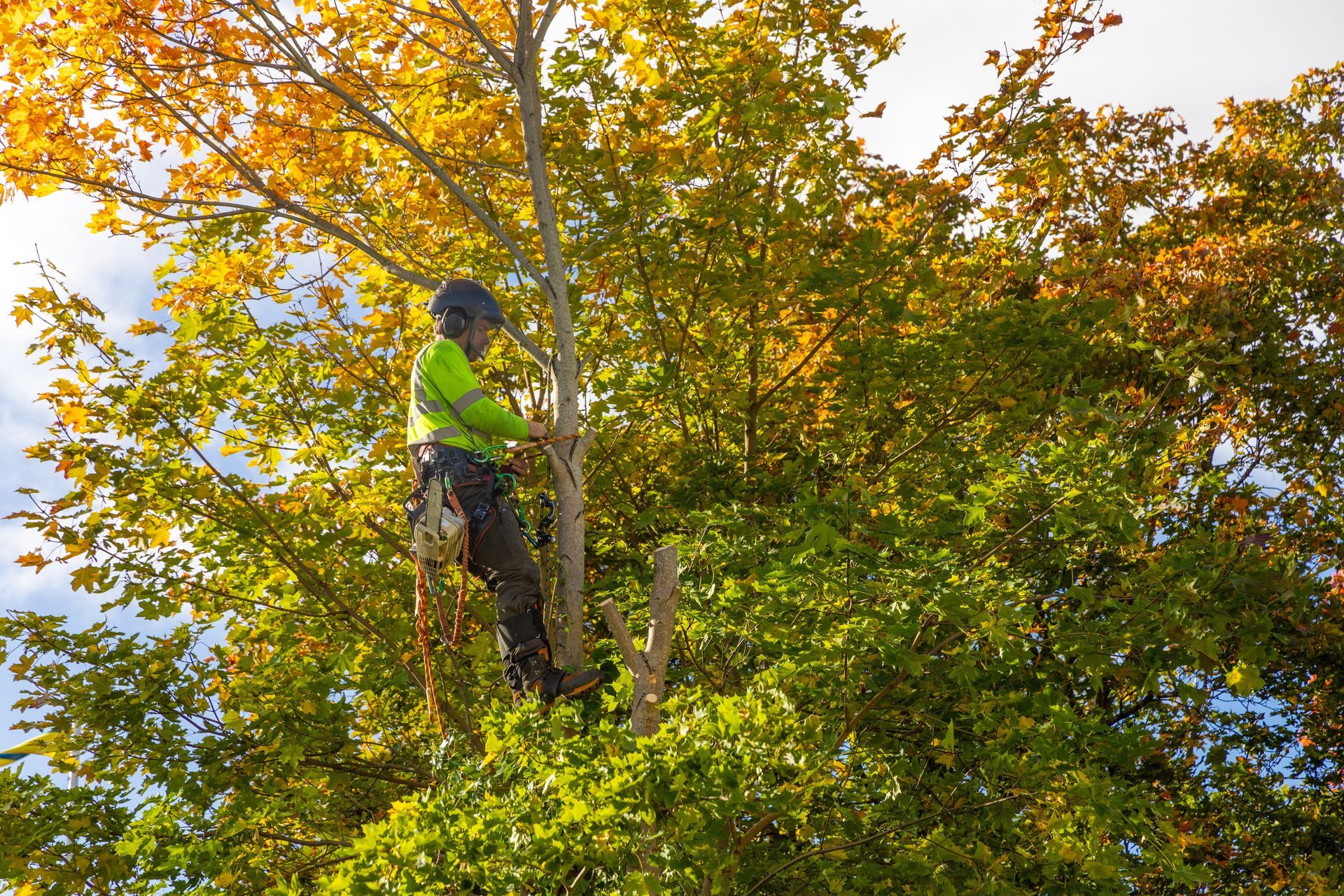
Proper equipment is another sign of professionalism. Helmets, harnesses, eye protection, gloves, ropes, rigging gear, and well-maintained saws all play a role in reducing risk. Equipment should match the job, especially when trees are tall, damaged, or located in tight spaces.
Emergency planning is also important. A contractor should be able to explain how the crew handles unexpected movement, falling debris, injuries, or severe weather. Crews that receive ongoing training are typically better prepared to manage changing conditions during complex tree work.
Can They Provide a Detailed Estimate?
A written estimate helps clarify the full scope of the project. It should outline labor, equipment, disposal, permits, stump grinding, cleanup, and any added costs tied to difficult access or hazardous conditions. Vague lump-sum pricing can make it harder to compare bids or understand what is included.
Not all estimates should be judged by price alone. The lowest bid may leave out important safety steps, cleanup, insurance costs, or proper disposal. Qualified tree contractors may charge more because they use trained crews, carry proper insurance, and follow safer procedures.
A transparent estimate should also explain what could change the final cost. Tree size, trunk diameter, proximity to structures, storm damage, decay, and access restrictions can all affect pricing. Clear communication before work begins reduces the chance of disputes later. Homeowners should also ask whether the estimate includes travel fees, minimum service charges, or separate costs for hauling debris. Comparing estimates is easier when each contractor lists the same categories of work.
What Is the Cleanup Process?
Cleanup is often overlooked, but it is an important part of tree service. Branches, logs, leaves, sawdust, and wood chips can create hazards if left behind. A professional contractor should explain whether debris will be hauled away, chipped on-site, stacked for firewood, or converted into mulch.
Responsible cleanup also reflects respect for the property. Walkways, lawns, driveways, gardens, and surrounding landscaping should be left in safe, usable condition. If stump grinding is included, the estimate should clarify whether grindings will be removed or left behind.
Environmentally responsible disposal is another point to discuss. Some tree contractors recycle green waste, produce mulch, or use disposal methods that reduce landfill impact. Asking about cleanup expectations before signing an agreement prevents confusion once the work is finished.
Is There a Written Contract?
A written contract protects both parties by clearly defining the scope of work, pricing, timeline, payment terms, and responsibilities. It should identify the trees involved, the services being performed, cleanup details, and any exclusions. For larger or riskier jobs, the contract may also address permits, traffic control, utility coordination, or changes caused by hidden decay.
A strong contract should include procedures for amendments. Tree work can reveal unexpected issues once cutting begins, such as internal rot, pest damage, or unstable limbs. Any change in scope or price should be documented in writing before additional work proceeds.
Dispute resolution terms may also be included, especially for larger projects. These terms explain how disagreements will be handled and help prevent confusion if problems arise. Professional contractors should be comfortable providing a clear written agreement before scheduling the job. Payment timing should also be clear. Be cautious of contractors who demand full payment before any work begins, especially if they cannot provide documentation or a detailed written scope.
What Are Some Warning Signs to Watch For?
Several red flags may indicate that a contractor is not the right choice. These include lack of insurance proof, no written estimate, pressure to make an immediate decision, unusually low pricing, poor communication, and limited knowledge of safety practices. Contractors who cannot explain their process or avoid questions about licensing should be approached cautiously.
Another warning sign is a lack of attention to site-specific risks. Tree work should never be treated as routine when structures, people, vehicles, or utility lines are nearby. The contractor should be able to identify hazards and describe how the crew will reduce them. It is also wise to avoid contractors who suggest excessive pruning without a clear reason, recommend unnecessary removal, or use high-pressure sales tactics after a storm. Reputable tree contractors should provide practical guidance, not rushed decisions.
Hiring tree contractors should involve more than comparing prices. Licensing, insurance, experience, safety practices, estimates, cleanup, and written contracts all help determine whether a contractor is qualified for the work. Asking direct questions before the project begins can reduce risk, protect property, and lead to safer, more reliable results. A careful hiring process also helps homeowners feel more confident that their trees, landscape, and property are being handled by professionals who understand both safety and long-term tree care. Get int touch with Affordable Tree Experts LLC for service you can trust.