
By Mike Grigor
August 14, 2026
Tree care is often overlooked until a visible issue appears, yet its impact on long-term property performance is substantial. Well-managed landscapes contribute to safety, value retention, and environmental stability in ways many property owners do not initially consider. This is where tree companies become essential partners, helping translate natural assets into measurable property benefits. Their work blends preventive care with strategic planning, ensuring trees enhance rather than compromise surrounding structures. Across residential and commercial settings, professional oversight helps maintain balance between aesthetics, safety, and sustainability. The result is healthier landscapes that perform consistently across changing conditions.
1. Enhancing Curb Appeal Through Professional Tree Caring
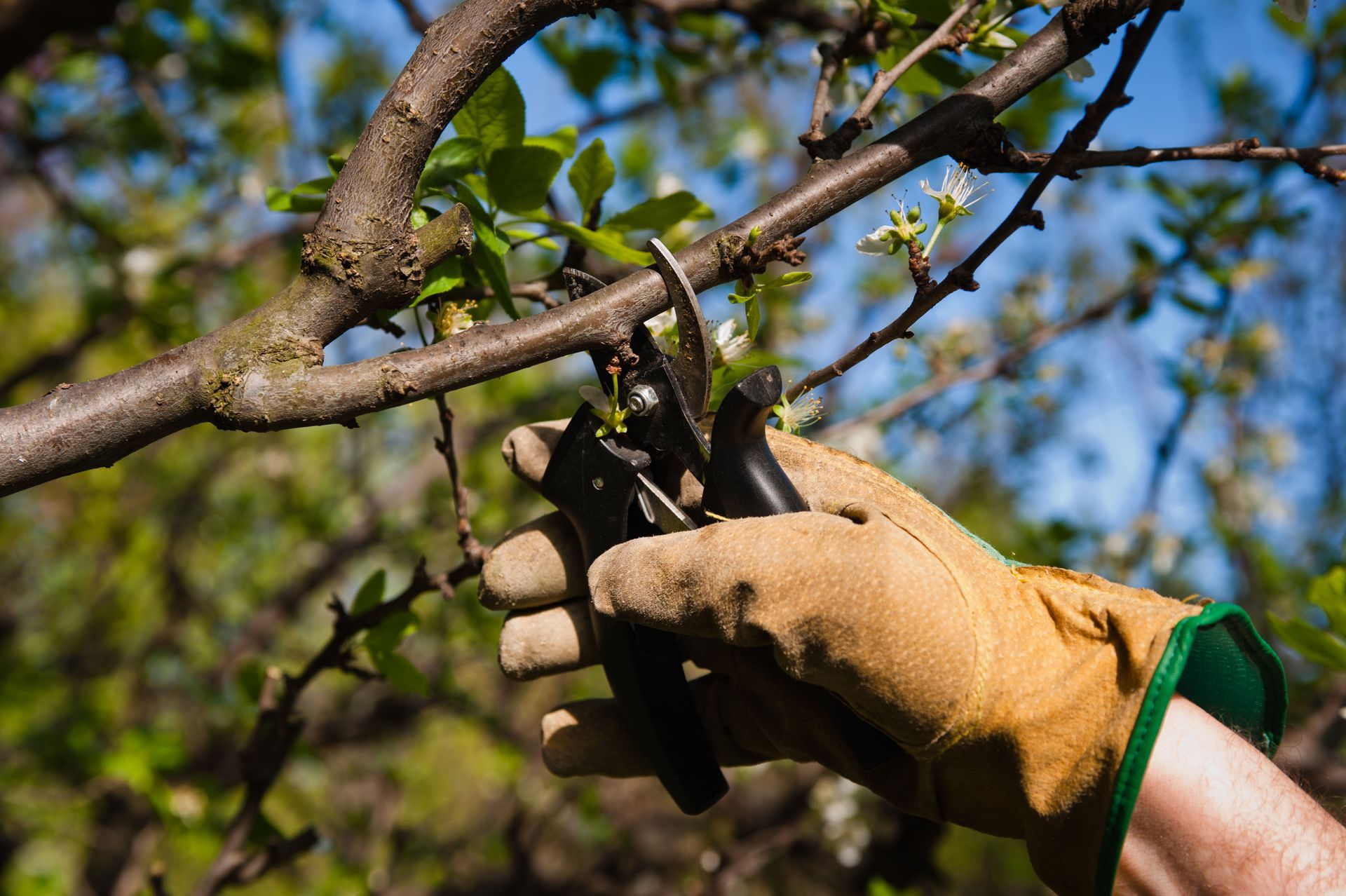
First impressions are strongly shaped by exterior landscaping, with trees playing a major role in how a property is perceived. Proper pruning, shaping, and ongoing care help create a clean, intentional look that improves curb appeal and makes the space feel well maintained. Tree companies are often brought in to correct overgrown or uneven growth, turning landscapes into more cohesive and visually appealing environments. These improvements can positively influence perceived property value while also supporting long-term landscape health.
There is also a clear financial benefit to professional tree care, as healthy, well-managed trees can help increase property value and reduce future maintenance costs. Strategic upkeep helps prevent structural issues and costly landscape damage over time. Seasonal care is equally important, as trees require different treatments throughout the year to stay stable and attractive. According to the Tree Care Industry Association, its network includes over 1,370 tree care companies across the United States, reflecting the steady professional growth and standardized care practices within the industry.
2. Preventing Property Damage Through Risk Assessing
Unmanaged trees can quickly become safety risks when disease or structural issues go unnoticed. Professional inspections help identify hazards like weak trunks, decayed limbs, or unstable root systems before they cause property damage. Tree companies reduce these risks through routine evaluations and corrective care, helping protect homes, vehicles, and surrounding structures. Their preventative approach focuses on catching issues early rather than responding after damage occurs.
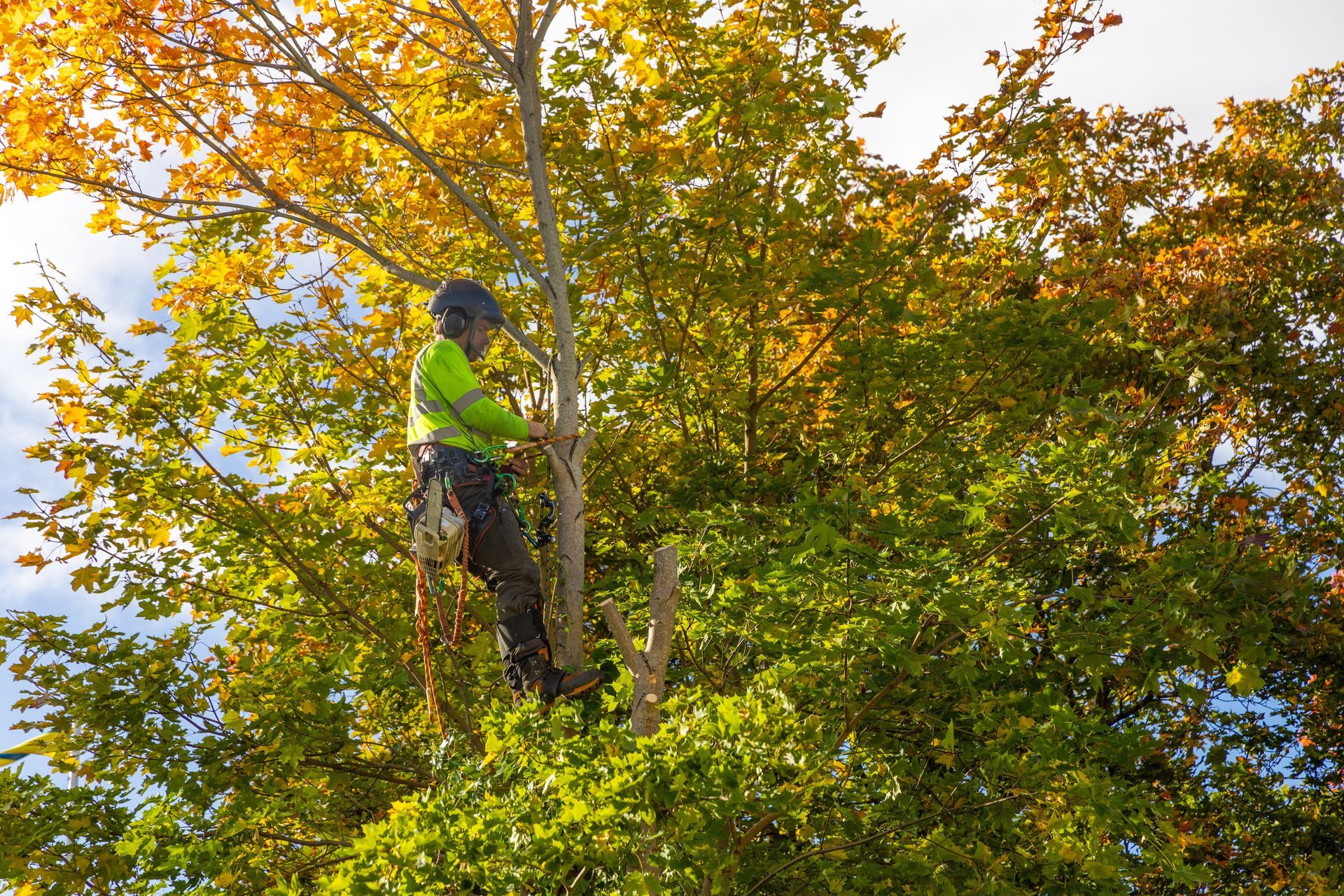
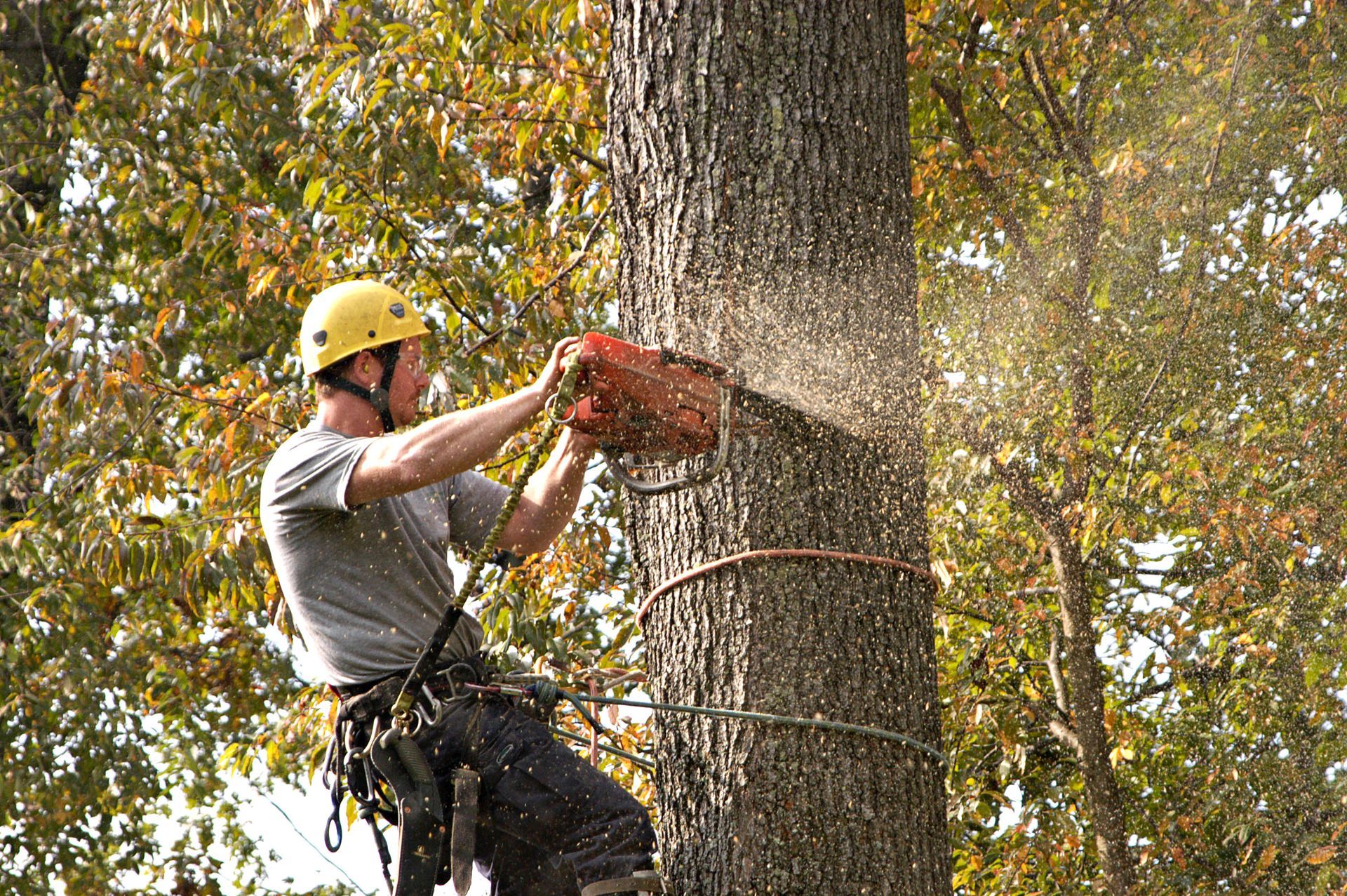
When removal is necessary, these companies use controlled methods designed to limit disruption and maintain safety. Careful planning ensures hazardous trees are taken down without endangering nearby property or occupants. Advanced equipment and technical expertise allow these situations to be handled efficiently and with reduced risk of costly damage. This same expertise is critical during storm preparation, where proactive trimming and structural assessments help prevent failures during severe weather and support long-term property stability.
3. Boosting Environmental Health and Biodiversity Enhancing
Healthy tree systems contribute significantly to ecological balance and local biodiversity. They provide shelter, food sources, and nesting environments for a wide range of species. Tree companies help maintain this balance by managing tree health in ways that support both urban and natural ecosystems. Their work ensures that landscapes remain functional habitats rather than isolated green spaces.
Native species selection is another important factor in sustaining environmental health. Properly matched trees adapt more effectively to local conditions, reducing maintenance needs while improving survival rates. Companies often guide property owners toward environmentally appropriate choices that strengthen ecosystem resilience. This approach supports long-term ecological stability.
Urban forestry initiatives further demonstrate the environmental value of structured tree care. Companies contribute to projects that expand green coverage in cities, helping reduce heat retention and improve air quality. These efforts also support community well-being by increasing access to green spaces and improving environmental conditions in densely populated areas.
4. Maximizing Energy Efficiency and Climate Resilience Planning
Trees play a practical role in reducing energy consumption when properly positioned around buildings. They provide natural shading that lowers cooling demands during warmer months while acting as wind buffers during colder seasons. They use strategic planning to ensure trees are placed in positions that maximize these benefits. This reduces utility costs while improving overall property comfort.
Energy efficiency gains extend beyond individual structures to broader environmental impacts. Reduced energy demand contributes to lower carbon output, supporting climate resilience goals. Companies help property owners understand how landscape design can directly influence long-term sustainability outcomes. Their planning often integrates both environmental and financial considerations.
Climate adaptation strategies are becoming increasingly important in landscape management. Tree companies evaluate long-term climate trends when recommending maintenance or planting strategies. This forward-looking approach helps ensure properties remain resilient under changing environmental conditions. It also strengthens overall landscape durability in both residential and commercial settings.
5. Enhancing Air Quality and Promoting Health Improving
Trees function as natural filters, removing pollutants from the air while releasing oxygen. This process contributes to improved air quality in both urban and suburban environments. Tree companies help maintain this benefit by ensuring trees remain healthy and capable of performing their natural filtration role. Well-maintained landscapes directly support cleaner living conditions.
Health benefits extend beyond air quality improvements. Access to green spaces has been linked to reduced stress levels and improved mental well-being. These types of companies contribute to this by shaping environments that encourage outdoor activity and relaxation. Shaded, well-maintained areas promote physical activity and community engagement.
Public health outcomes are also influenced by broader environmental conditions created by tree coverage. Reduced heat exposure and improved air circulation contribute to safer, more comfortable neighborhoods. These companies support these outcomes by maintaining consistent canopy health and density across properties. This reinforces the connection between environmental care and community well-being.
6. Offering Economic Benefits and Financial Incentives Leveraging
Well-maintained landscapes contribute directly to increased property value and buyer interest. Trees are often considered long-term assets that signal responsible property management. Tree companies help preserve and enhance this value by ensuring landscapes remain healthy and visually appealing. This can positively influence resale potential.
Economic advantages also extend to municipal and community-level benefits. Trees reduce stormwater runoff and help manage urban heat, lowering infrastructure strain. These companies support these outcomes by implementing structured maintenance programs that improve long-term landscape performance. These efficiencies translate into reduced public and private costs over time.
Financial incentives may also be available for sustainable landscaping practices in certain regions. Companies often assist property owners in identifying opportunities for cost savings tied to environmental programs. This adds another layer of economic value to professional tree care services. The result is a more financially efficient and environmentally responsible property system.
7. Strengthening Urban Landscapes Through Strategic Tree Managing
Urban environments rely heavily on structured green infrastructure to remain livable and sustainable. Trees help balance density, reduce heat buildup, and improve air quality in built environments. Companies ensure these systems are properly maintained to support long-term urban resilience. Their role extends beyond maintenance into strategic landscape planning.
Infrastructure protection is another key consideration in urban tree management. Roots, branches, and canopy growth must be carefully monitored to prevent interference with utilities or buildings. Tree companies provide the expertise needed to manage these interactions safely and effectively. This reduces risk while maintaining healthy urban greenery.
Long-term urban planning increasingly integrates tree management as a core component of development. Companies contribute to these efforts by advising on placement, species selection, and maintenance cycles. Their involvement ensures that urban landscapes remain both functional and sustainable over time. This creates a more balanced relationship between development and nature.
Tree management plays a critical role in shaping safe, valuable, and environmentally balanced properties. From improving aesthetics and reducing risks to enhancing sustainability and supporting public health, the impact of professional care is both broad and measurable. Companies provide the expertise needed to maintain this balance while adapting to changing environmental and structural demands. Their work supports long-term property performance across residential, commercial, and urban landscapes. For consistent, professional tree care tailored to property needs, contact Affordable Tree Experts LLC.