
Trees contribute shade, beauty, privacy, and character to residential and commercial properties, but maintaining them involves much more than occasional trimming. Trees are living structures that can change significantly over time as they grow, respond to weather, develop disease, or experience damage. Without appropriate attention, branches can become hazardous, weakened trees can threaten nearby structures, and overgrowth can interfere with the overall appearance and usability of a landscape. Professional tree care helps property owners manage these concerns while supporting healthier outdoor spaces.
Working with local tree services gives property owners access to professionals who understand how to evaluate trees, identify potential problems, and determine appropriate solutions. Their work can range from routine pruning to addressing damaged trees after severe weather. Because tree care frequently involves heavy branches, specialized equipment, and challenging working conditions, professional assistance can also reduce the risks associated with maintaining large or compromised trees.
Handling Routine Tree Pruning
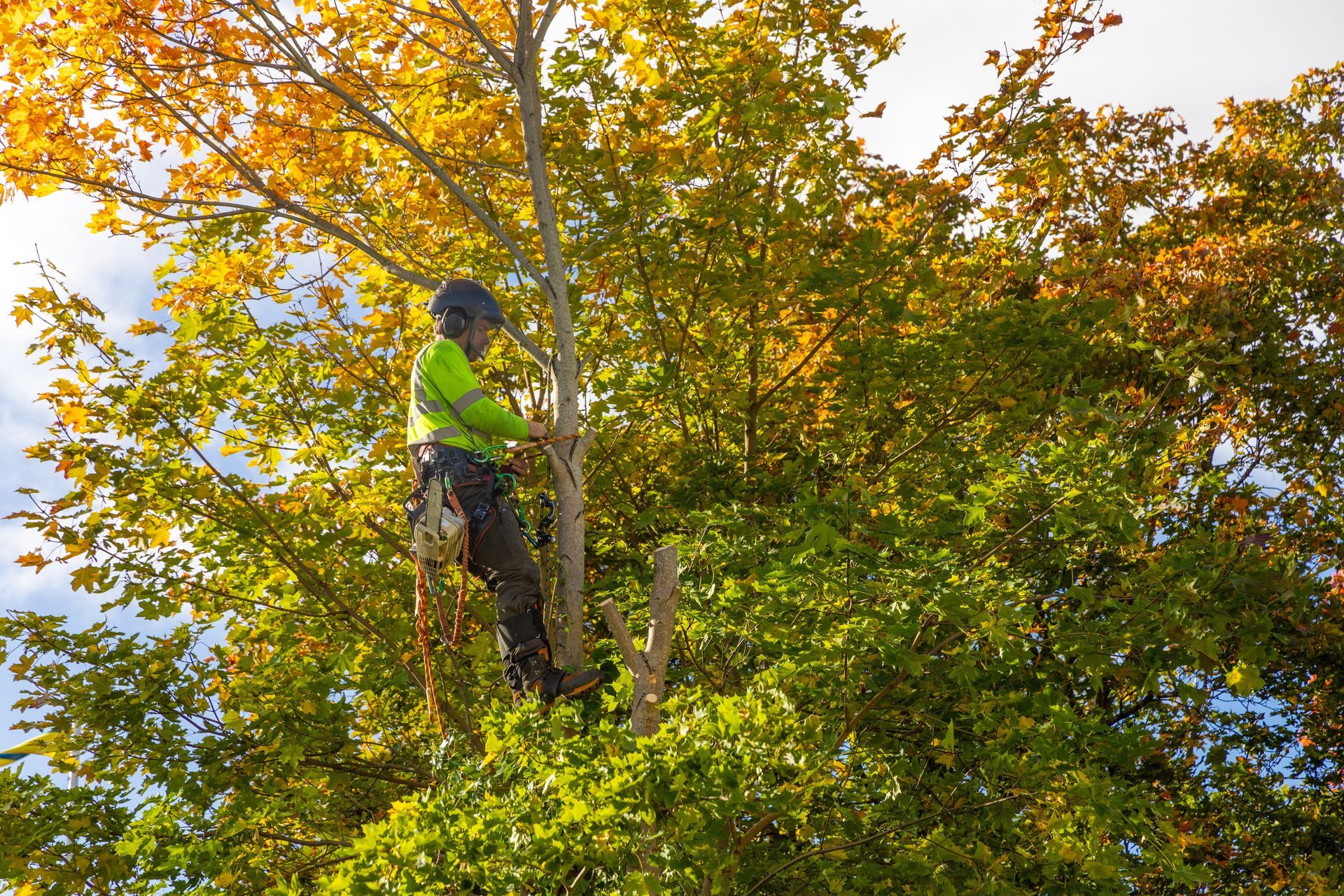
Pruning is an important part of maintaining healthy, attractive trees. As trees grow, branches may become crowded, cross one another, extend into unwanted areas, or develop weak connections. Strategic pruning helps manage these issues while preserving the tree’s natural shape. Professionals can evaluate which branches should be removed and which should remain to support healthy growth and a balanced canopy.
Another advantage of professional pruning is the ability to identify unhealthy growth during the process. Dead, damaged, or declining branches may not always be obvious from the ground. Local tree services can assess the canopy more closely and remove problematic growth when appropriate. This combination of maintenance and observation helps property owners stay aware of changing tree conditions while keeping landscapes neat and manageable.
Handling Hazardous Tree Removal
Sometimes a tree becomes too damaged, unstable, or poorly positioned to remain safely on a property. Disease, decay, structural defects, severe weather, or extensive root problems can all affect a tree’s stability. In other situations, a healthy tree may need removal because it interferes with construction, utilities, or the long-term use of an outdoor area.
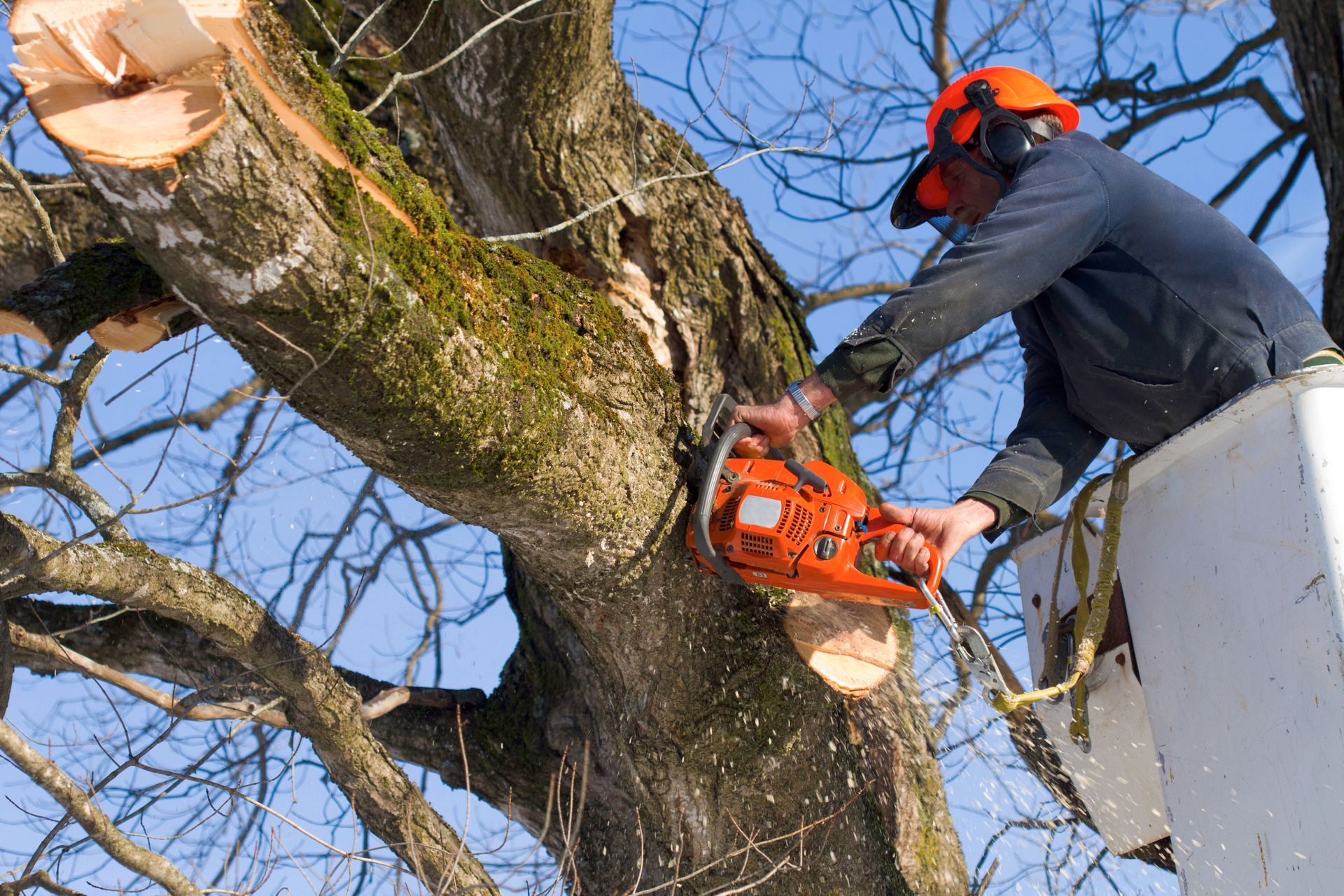
Tree removal requires careful planning because trees can be extremely heavy and may stand close to homes, vehicles, landscaping, utility lines, and other valuable property features. Professionals evaluate the tree and surrounding environment before determining how the removal should be approached. They may also need specialized equipment to control branches and sections of the trunk during the work.
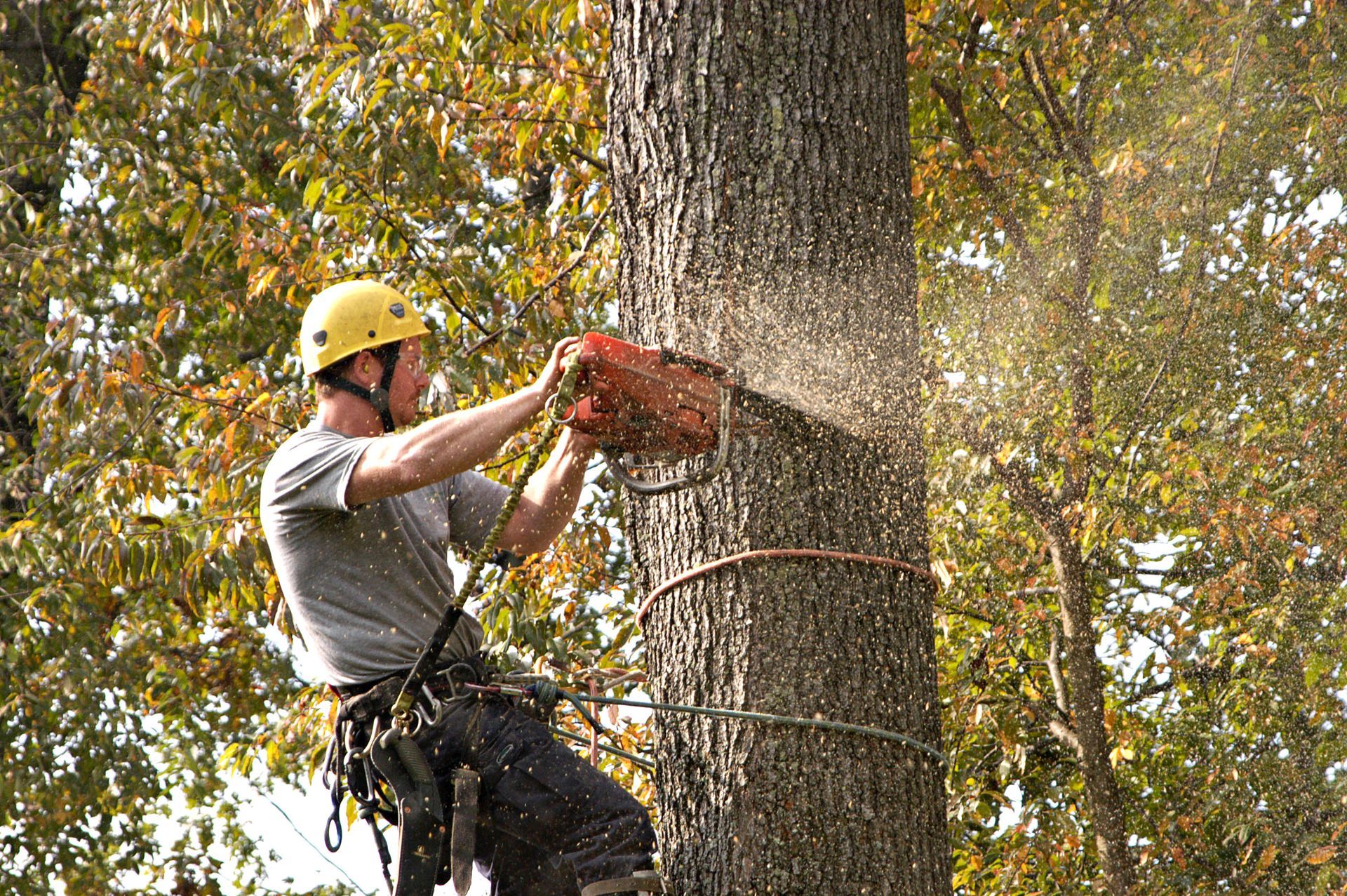
Hiring local tree services for removal allows property owners to rely on trained professionals rather than attempting to manage a dangerous situation independently. A professional team can consider factors such as tree condition, available working space, nearby obstacles, and the direction of growth. Careful planning is especially important when removing weakened trees because damaged wood may respond unpredictably when disturbed.
Handling Storm-Damaged Trees
Strong winds, heavy rain, lightning, and other severe weather can quickly transform healthy-looking trees into significant property concerns. Branches may split, trunks can crack, and entire trees can lean or fall. Even when a tree remains standing after a storm, hidden structural damage may make it less stable than it appears from the ground.
Professional evaluation can help determine whether a damaged tree can be preserved or whether removal is the safer option. Some trees may only require damaged branches to be removed, while others may have extensive structural problems that compromise their long-term stability. Tree care professionals can inspect visible damage and consider how it affects the rest of the tree.
Recovery can also include planning for future landscape restoration. In fact, according to the Arbor Day Foundation, 90% of Americans consider replanting trees an important part of helping communities recover following natural disasters. Local tree services can play an important role in that broader recovery process by addressing damaged trees and helping property owners prepare outdoor spaces for healthy future growth.
Handling Tree Health Concerns
Trees can experience a wide variety of health problems, including disease, pest activity, nutrient deficiencies, environmental stress, and physical damage. Changes in leaf appearance, unusual branch dieback, thinning canopies, damaged bark, or unexpected growth patterns may indicate that a tree needs professional attention. Identifying the underlying cause is important because similar symptoms can sometimes result from very different problems.
Tree care professionals can examine the overall condition of a tree rather than focusing on a single visible symptom. They may consider the canopy, trunk, branches, root zone, surrounding soil, and nearby environmental conditions. This broader perspective can provide useful information about whether the tree is experiencing temporary stress or a more serious problem.
When property owners call local tree services early, they may have more options for addressing developing concerns. Some problems can become more difficult to manage after damage has progressed throughout the tree. Regular professional observations can also reveal changes that might otherwise go unnoticed, allowing property owners to make informed decisions about pruning, treatment, monitoring, or removal.
Handling Stump and Debris Management
Removing a tree does not automatically resolve everything left behind. A stump can remain in the landscape, while branches, logs, wood chips, and other debris may need to be managed. Depending on its location, a stump can interfere with mowing, landscaping, construction plans, or the general use of an outdoor space. It may also become an unwanted visual feature in an otherwise maintained yard.
Stump management can help property owners reclaim space for new landscaping or other outdoor improvements. Professionals can evaluate the stump’s location, surrounding features, and accessibility before determining an appropriate approach. This is particularly useful when the remaining stump is close to structures, planting beds, walkways, or other areas that require careful consideration.
Many local tree services also handle debris associated with pruning and removal projects. Professional cleanup can make a substantial difference after extensive tree work, especially when large branches or sections of trunk are involved. Instead of leaving property owners with a significant amount of heavy material to manage, tree care teams can incorporate cleanup into the overall service and leave the work area more orderly.
Handling Long-Term Landscape Planning
Professional tree care is not limited to solving immediate problems. Trees are long-term landscape features, and decisions made today can influence how a property looks and functions for years. Proper placement, thoughtful pruning, health monitoring, and timely removal of unsuitable trees can all contribute to a more sustainable landscape.
When new trees are being considered, professionals can help property owners think about available space and future growth. A small young tree can eventually develop a broad canopy and extensive root system, so its mature size should be considered before planting. The relationship between trees and nearby buildings, walkways, utilities, fences, and other plants also matters.
Working with local tree services can provide valuable continuity as a landscape changes. Professionals who understand regional growing conditions and common tree concerns can help property owners respond to changing needs over time. This long-term approach can support healthier trees while reducing conflicts between mature growth and the built environment surrounding it.
Handling Ongoing Property Protection
Well-maintained trees can be valuable landscape assets, but neglected or damaged trees may become liabilities. Routine pruning, professional evaluations, storm response, removal, stump management, and long-term planning all contribute to safer and more attractive outdoor environments. Addressing concerns proactively can also help prevent small issues from developing into larger problems that affect buildings, vehicles, landscaping, or areas where people regularly spend time.
Choosing local tree services gives property owners professional support for both routine maintenance and unexpected tree concerns. Experienced teams can evaluate each situation individually and recommend work based on the condition of the tree and its surroundings. This makes professional tree care an important part of maintaining a functional landscape rather than simply a response to emergencies.
Healthy, well-managed trees can enhance a property while creating comfortable and visually appealing outdoor spaces. When pruning, removal, storm cleanup, or other tree care becomes necessary, professional assistance can help ensure that the work is approached carefully and efficiently.
At Affordable Tree Experts LLC, we are ready to help with your tree care needs. Contact us to discuss your property, learn more about our services, and find out how we can help maintain your trees and landscape.