
By Mike Grigor
April 20, 2026
Severe weather, aging trees, hidden decay, and sudden limb failure can create dangerous situations with little warning. A tree that looked stable one day may split, lean, or collapse after high winds, heavy rain, ice, or saturated soil. In these moments, fast action matters. Emergency tree services play an important role in helping property owners respond quickly to hazards that threaten homes, vehicles, utility lines, and the people nearby. Beyond removing broken limbs or fallen trunks, emergency tree services help limit damage, reduce risk, and restore order after a stressful event. When handled by trained professionals, emergency tree work supports safer conditions and helps prevent a difficult situation from becoming even worse.
Recognizing Immediate Hazards
One of the most important benefits of emergency tree services is the ability to identify urgent threats before they cause more harm. After a storm or unexpected tree failure, the danger is not always obvious from a distance. A cracked limb may still be hanging overhead, a partially uprooted tree may shift without warning, or internal damage may leave a trunk unstable even if it is still standing. These conditions can put family members, neighbors, and visitors at risk if they remain unaddressed.
Professional crews know how to assess the full extent of the hazard. They look at tree lean, soil movement, broken branch patterns, trunk splits, and the proximity of the damage to structures or power sources. This evaluation helps determine whether a tree can be stabilized, whether sections need to be removed, or whether complete removal is the safest option. By responding quickly, emergency tree services help prevent accidents that might occur when people assume a damaged tree is no longer a threat simply because the storm has passed.
Preventing Structural Damage
A damaged tree can place immediate pressure on roofs, siding, windows, garages, sheds, fences, and other parts of a property. Even when a branch has not fully fallen, it may already be resting on a structure in a way that weakens materials and increases the chance of collapse. Water intrusion can also follow if roofing or gutters have been compromised. In many cases, the longer the debris remains in place, the more expensive the repairs become.
This is where emergency tree services provide meaningful protection. Rapid removal of unstable limbs and compromised trunks helps reduce the weight and tension affecting nearby structures. It also allows homeowners to inspect and address building damage sooner. Quick tree response can be especially important when large limbs block drainage systems, damage shingles, or interfere with doors and windows that need to be secured. Addressing the issue promptly can help prevent secondary problems such as leaks, mold, and interior water damage, all of which can extend the recovery process and raise overall costs.
Restoring Safe Access
Tree emergencies often affect more than the visible landscape. A fallen tree can block driveways, sidewalks, private roads, entry points, and access to garages or outbuildings. In some cases, debris can interfere with emergency responders, utility personnel, or contractors who need to reach the property. When access is restricted, an already stressful event becomes even harder to manage.
Restoring safe movement is another reason emergency tree services are so valuable. Removing heavy branches, cutting apart obstructive trunks, and clearing key pathways can help households return to normal function more quickly. This work may also make it easier to move vehicles, receive deliveries, or allow insurance representatives and repair teams to inspect the site. If a tree has affected a shared access point or created a hazard near a public walkway, fast cleanup also helps reduce the chance of injury to others. In this way, a timely response supports both personal convenience and public safety during a disruptive situation.
Reducing Ongoing Safety Risks
The need for immediate tree care is not only about visible damage. It is also about preventing further injury after the initial event. According to ScienceDirect, the average number of U.S. tree fall fatalities is estimated to exceed 100 deaths per year. That figure highlights how dangerous unstable trees and falling limbs can be when problems are left unresolved or handled without proper training.
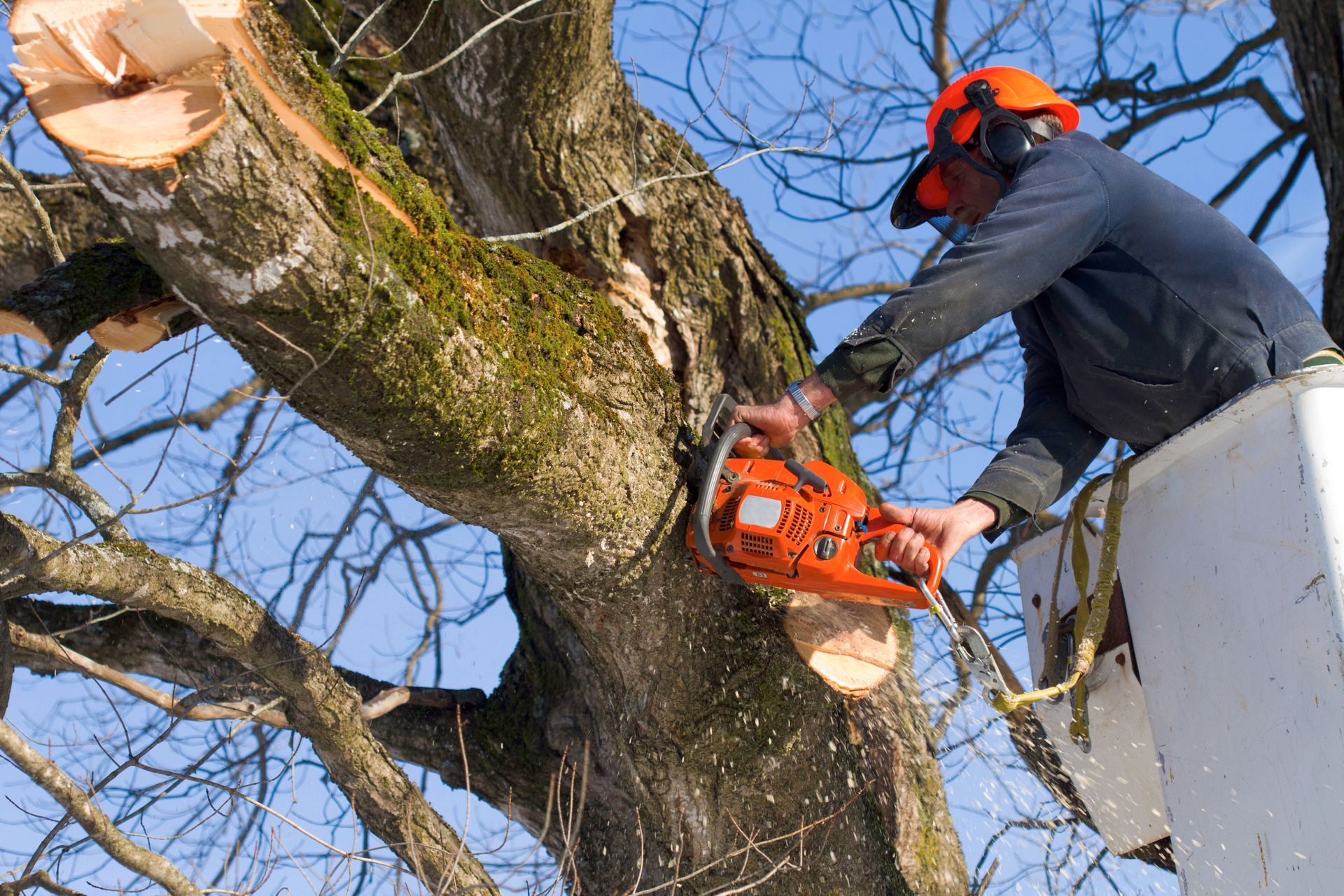
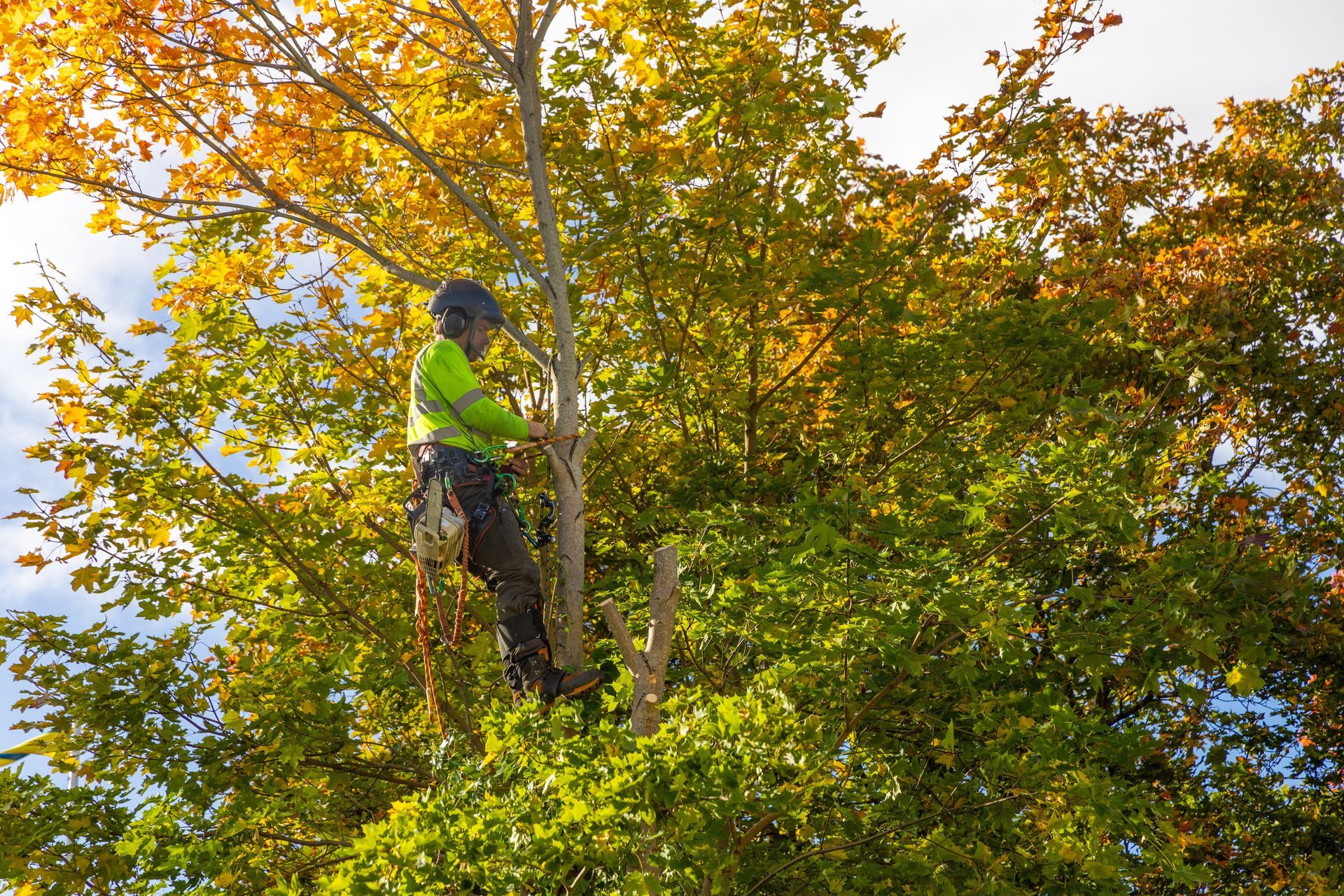
Emergency tree services help lower that risk by using the right equipment, techniques, and safety procedures for high-pressure situations. Crews may use chainsaws, ropes, cranes, rigging systems, and protective gear to control how damaged sections are cut and lowered. This matters because storm-damaged trees are unpredictable. Wood can splinter differently under stress, trunks may twist during removal, and limbs under tension can snap with force. Attempting to manage these hazards without professional support can place property owners in serious danger. Skilled response helps reduce exposure to those risks and creates a more controlled path toward cleanup and recovery.
Supporting Property Recovery
After the immediate danger has been addressed, emergency tree services often shift toward stabilizing the property and preparing for repairs. Tree debris can leave behind torn shingles, crushed gutters, cracked pavement, broken fencing, and scarred landscaping. In addition, stumps, hanging limbs, and scattered wood fragments can continue to complicate cleanup efforts if they are not dealt with properly. Property owners often need a clear site before they can move forward with insurance documentation or restoration work.
Emergency tree services support this recovery stage by helping create a safer and more manageable environment. Once hazardous sections are removed, it becomes easier to inspect damage thoroughly, document losses, and coordinate other repair needs. Professional cleanup may also help protect the health of surrounding trees by removing broken material that could attract pests or encourage decay. In some cases, experts can recommend whether nearby trees should be pruned, monitored, or removed before they become future hazards. That guidance gives property owners a more complete understanding of the condition of their landscape after a major event.
Strengthening Long-Term Preparedness
Although the word emergency suggests immediate action, these situations can also reveal the importance of future planning. A property that has experienced storm damage or sudden tree failure often benefits from a closer look at overall tree health, branch structure, and site conditions. Overgrown canopies, weak branch unions, root damage, and deadwood can all contribute to future emergencies if they are not identified early.
For that reason, emergency tree services can serve as a starting point for stronger long-term property protection. After urgent hazards are removed, professionals may recommend trimming, cabling, removal of compromised trees, or routine inspections to improve safety going forward. This proactive mindset can reduce the chance of repeat incidents and help homeowners feel more confident during severe weather seasons. It can also preserve the value and appearance of the property by balancing safety with responsible tree care. When emergencies are treated as opportunities to improve overall landscape management, the result is a safer environment and a more resilient property.
Fast, informed action can make a major difference when trees become unstable or fall without warning. From identifying hidden hazards to preventing structural damage and restoring access, professional response supports safety at every stage of the problem. Emergency tree services are not only about removing debris. Emergency tree services are about protecting people, limiting loss, and helping a property recover with less confusion and risk. When handled by trained professionals, these situations become more manageable, and property owners can move forward with greater peace of mind. Call Affordable Tree Experts LLC today to schedule your emergency tree care or removal service.